Patient Intake and Digital Front Door Guide for Clinics
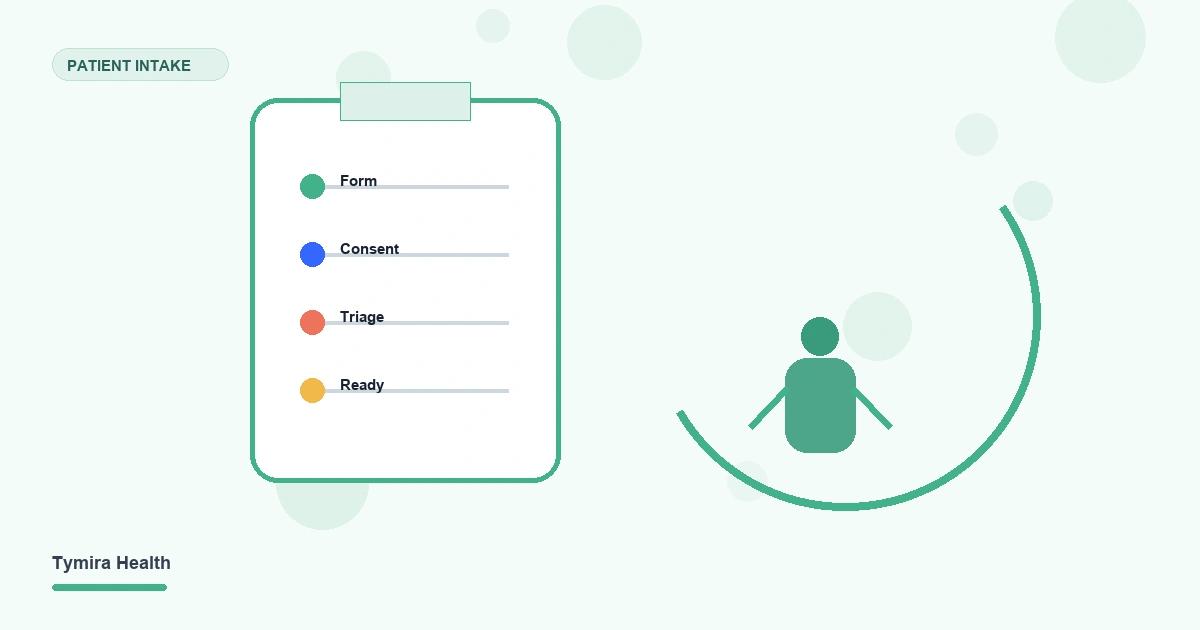

This guide helps clinics create a mobile-first patient journey before the visit: discovery, booking, registration, consent, payments, reminders, triage, and portal access.
Why This Matters
This guide helps clinics create a mobile-first patient journey before the visit: discovery, booking, registration, consent, payments, reminders, triage, and portal access.
This guide is for clinic owners, front desk teams, patient experience leads, designers, and product teams.
Tymira Health approaches this work as an operating model, not a collection of disconnected screens. The goal is to help clinic teams see what needs attention, understand who owns the next step, and reduce preventable delays across the patient journey.
Tymira Health Point of View
At Tymira Health, we argue that patient experience starts before arrival. The best digital front door is not a noisy app; it is a minimalist path that lets patients complete the right action at the right time.
What This Cluster Covers
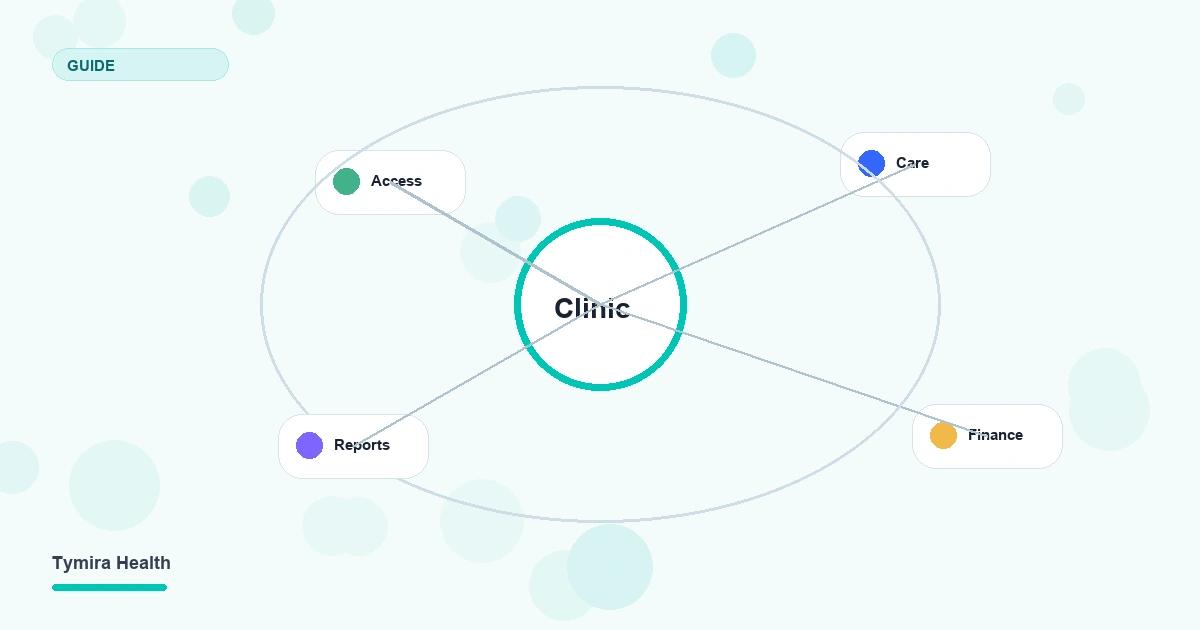
This pillar connects the main workflow questions clinics should answer as they modernize practice management.
- Digital Front Door for Clinics: What Patients Should Be Able to Do Before Arrival
- Mobile-First Patient Intake: How to Make Registration Less Painful
- Online Appointment Requests vs Direct Booking: What Clinics Should Choose
- How Digital Consent Forms Improve Clinic Readiness
- Patient Portal Design for Clinics: Minimal, Useful, and Secure
- Appointment Reminders That Respect Patients and Reduce Admin Work
- How Clinics Should Triage New Patient Requests
- Patient Wallets in Healthcare: What Clinics and Patients Need From the Experience
Product Experience Principles
Patient-facing workflows should be mobile first, minimalist, and direct. The wallet should be accessible from the patient portal and should show balance, receipts, payment history, and next action clearly.
Next Step
Review the Tymira360 patient portal and intake workflow.
Clinic Scenario: Where the Workflow Usually Breaks
In many clinics, the problem is not that people are careless. The problem is that tasks, notes, handoffs, and follow-up responsibilities are spread across memory, chat messages, paper, and disconnected systems.
Tymira Health treats workflow structure as a patient-safety and operations issue: every important step should have an owner, a status, a timestamp, and a visible next action.
Implementation Playbook
Start with the highest-friction workflow, map the handoff points, define who can change each status, and agree which events must be documented before the visit can move forward.
Roll out the workflow in stages: first visibility, then automation, then reporting. This gives staff time to trust the system and gives leadership clearer evidence of what is improving.
Metrics to Track
Track task completion time, unresolved handoffs, documentation lag, missed follow-ups, provider utilization, patient wait time, and the number of exceptions that require manual correction.
The goal is not to create more dashboards. The goal is to help clinic teams see whether the workflow is safer, faster, and easier to run each week.
People Also Ask: FAQs
What should a clinic fix first? Start with the workflow that creates the most patient delays, staff rework, financial leakage, or documentation risk.
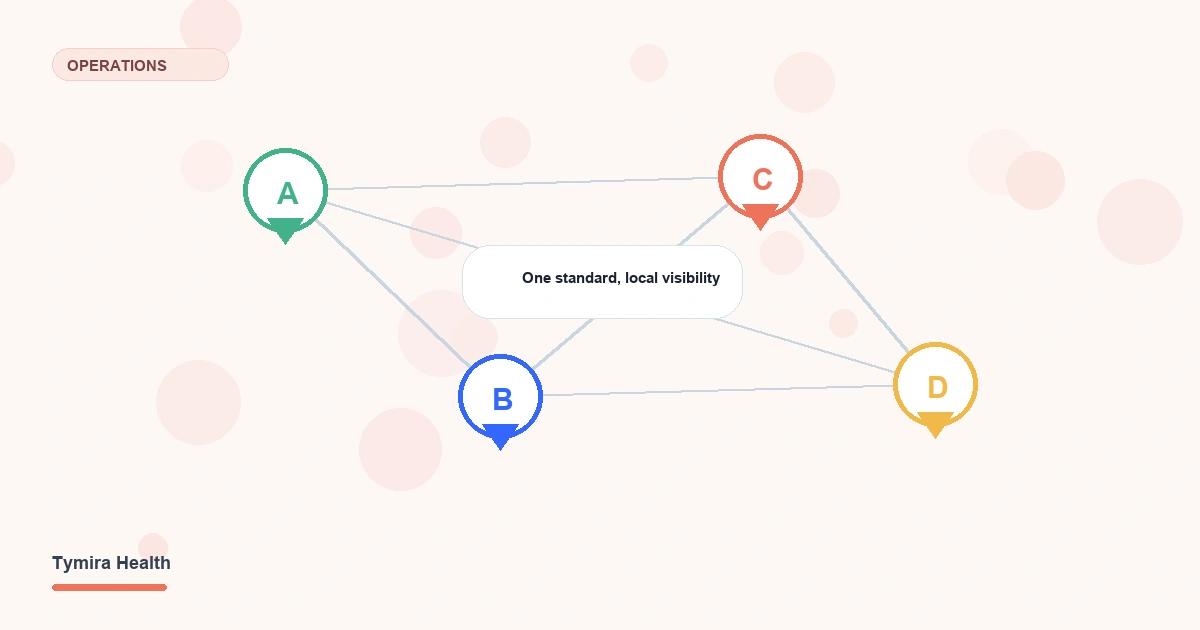
Should every clinic use the same process? No. Tymira Health should support standard foundations while allowing specialty, location, and role-specific workflow differences.
How should teams measure success? Use operational evidence: fewer missed steps, faster follow-up, cleaner records, better patient communication, and clearer leadership reporting.
Sharp Conclusion
A stronger clinic workflow is not only a technology upgrade. It is an agreement about how care, administration, finance, and reporting should work together without adding confusion for staff or patients.