EMR Integration and Interoperability Guide for Clinics
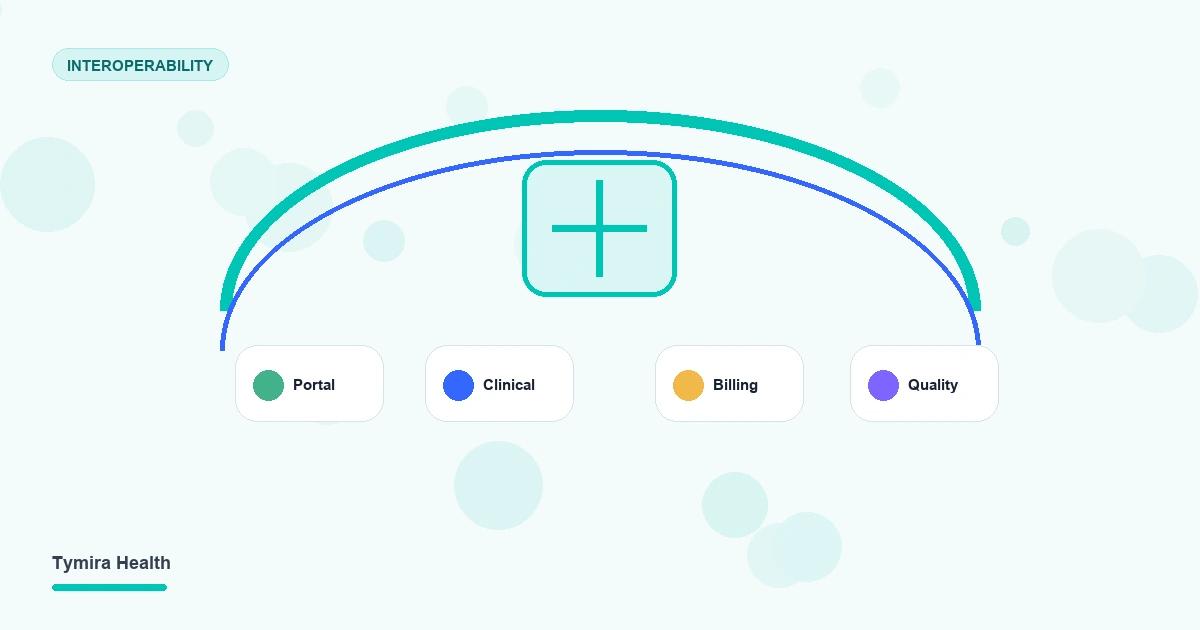

This guide helps clinic leaders, developers, and product teams understand how Tymira Health can work with external EMRs, finance systems, patient portals, labs, pharmacies, and reporting tools.
Why This Matters
This guide helps clinic leaders, developers, and product teams understand how Tymira Health can work with external EMRs, finance systems, patient portals, labs, pharmacies, and reporting tools.
This guide is for developers, integration leads, product managers, clinic owners, EMR partners, and healthcare IT teams.
Tymira Health approaches this work as an operating model, not a collection of disconnected screens. The goal is to help clinic teams see what needs attention, understand who owns the next step, and reduce preventable delays across the patient journey.
Tymira Health Point of View
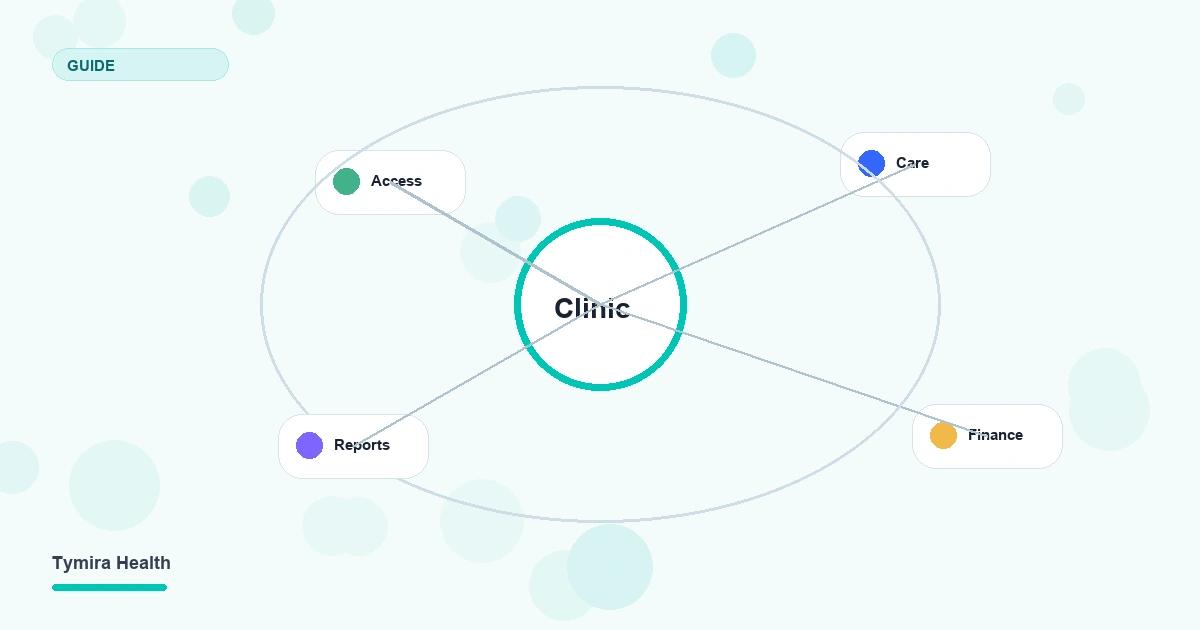
At Tymira Health, we explain integration in operational terms: identity, appointment state, service context, documentation readiness, payment state, and reporting. FHIR matters because healthcare data needs to be structured, discoverable, and exchangeable, but the article should always translate standards into clinic outcomes.
What This Cluster Covers
This pillar connects the main workflow questions clinics should answer as they modernize practice management.
- EMR Integration for Clinics: What Product and Operations Teams Need to Know
- FHIR for Clinic Leaders: A Practical Non-Technical Guide
- HL7 vs FHIR: What Healthcare Teams Should Understand Before Integrating Systems
- Patient Matching: Why Duplicate Records Create Operational Risk
- Lab, Pharmacy, and Imaging Integrations for Growing Clinics
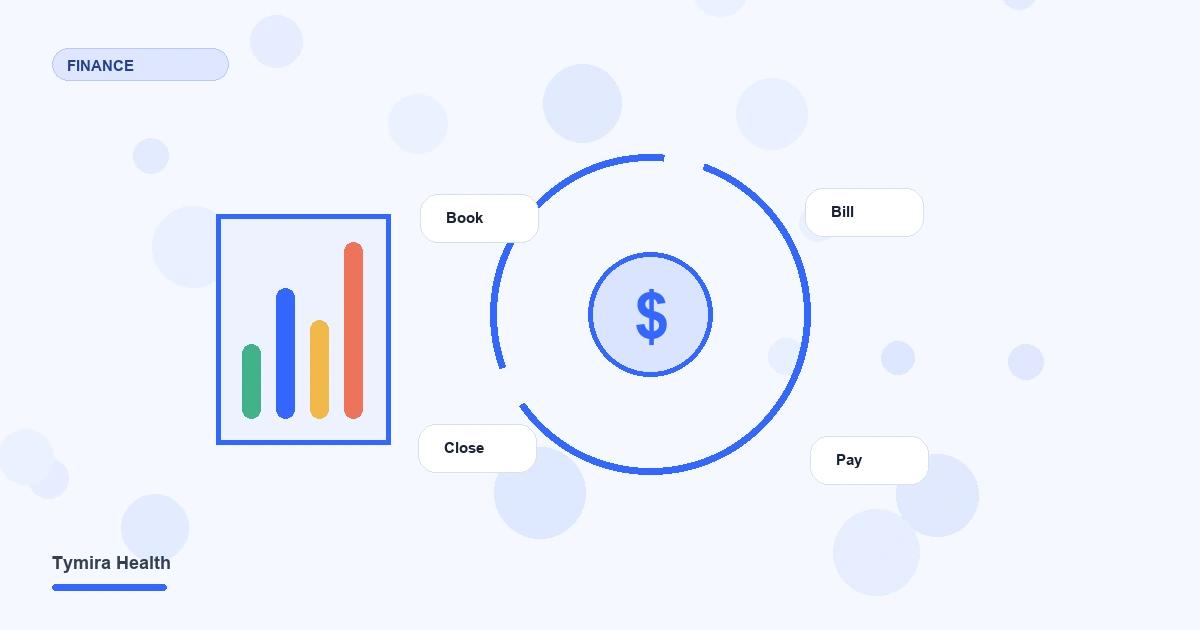
- How Tymira Health Finance Can Work Alongside External EMRs
- Data Migration for Clinics Moving to a New Practice Management System
- Integration Monitoring: How Clinics Know Data Is Flowing Correctly
Product Experience Principles
For developers, define resource/state mappings, event logs, retries, webhooks, audit trails, and reconciliation views. For designers, show integration health in plain language rather than technical noise.
Next Step
Discuss Tymira Health EMR integration and healthcare finance interoperability.
Clinic Scenario: Where the Workflow Usually Breaks
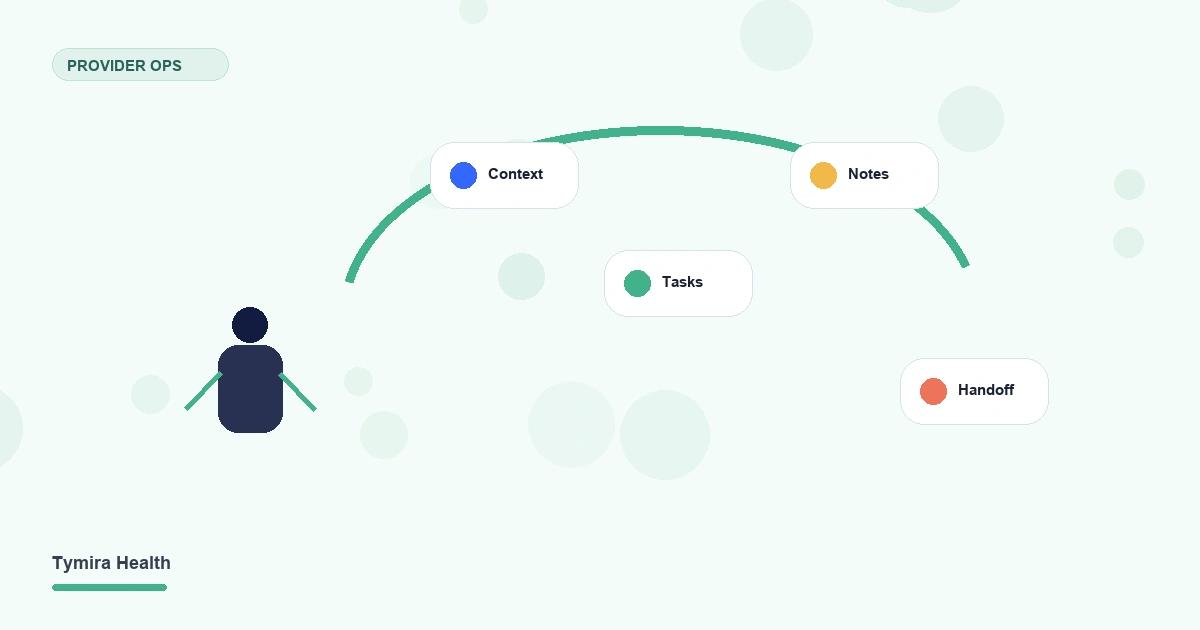
In many clinics, the problem is not that people are careless. The problem is that tasks, notes, handoffs, and follow-up responsibilities are spread across memory, chat messages, paper, and disconnected systems.
Tymira Health treats workflow structure as a patient-safety and operations issue: every important step should have an owner, a status, a timestamp, and a visible next action.
Implementation Playbook
Start with the highest-friction workflow, map the handoff points, define who can change each status, and agree which events must be documented before the visit can move forward.
Roll out the workflow in stages: first visibility, then automation, then reporting. This gives staff time to trust the system and gives leadership clearer evidence of what is improving.
Metrics to Track
Track task completion time, unresolved handoffs, documentation lag, missed follow-ups, provider utilization, patient wait time, and the number of exceptions that require manual correction.
The goal is not to create more dashboards. The goal is to help clinic teams see whether the workflow is safer, faster, and easier to run each week.
People Also Ask: FAQs
What should a clinic fix first? Start with the workflow that creates the most patient delays, staff rework, financial leakage, or documentation risk.
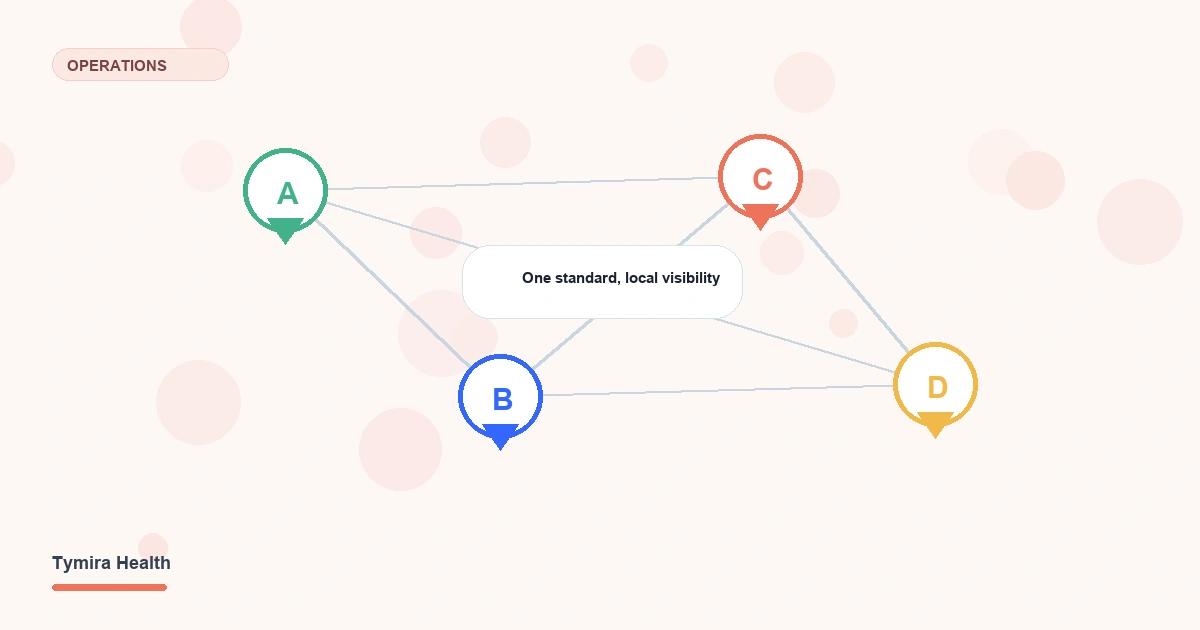
Should every clinic use the same process? No. Tymira Health should support standard foundations while allowing specialty, location, and role-specific workflow differences.
How should teams measure success? Use operational evidence: fewer missed steps, faster follow-up, cleaner records, better patient communication, and clearer leadership reporting.
Sharp Conclusion
A stronger clinic workflow is not only a technology upgrade. It is an agreement about how care, administration, finance, and reporting should work together without adding confusion for staff or patients.